
For many homeowners, privacy glass is a great option to balance function and aesthetics. Etched or frosted glass, whether in panes or blocks, lets in natural light in a unique way while maintaining privacy. However, because privacy glass isn’t made the same way and doesn’t have the same features as clear glass, homeowners sometimes have unexpected issues.
They wonder, for instance, why “private” glass still shows a shadow, why it never looks clean, or why the grooves in that beautifully patterned shower panel are collecting soap scum three weeks after installation. Most of the frustration homeowners run into with privacy glass isn’t related to a faulty product but rather expectations based on a misunderstanding of how privacy glass is made and designed to function. From Denver’s local glass experts, here’s a guide to make sure you know exactly what you’re getting when it comes to different types of privacy glass.
Types of Privacy Glass
Before getting into what to expect, here’s a breakdown of different types of privacy glass:
Frosted glass – A matte, translucent finish made either by acid-etching (a chemical process that seals the surface smooth) or sandblasting (an abrasive process that leaves a slightly porous texture). Diffuses light while fully obscuring the view.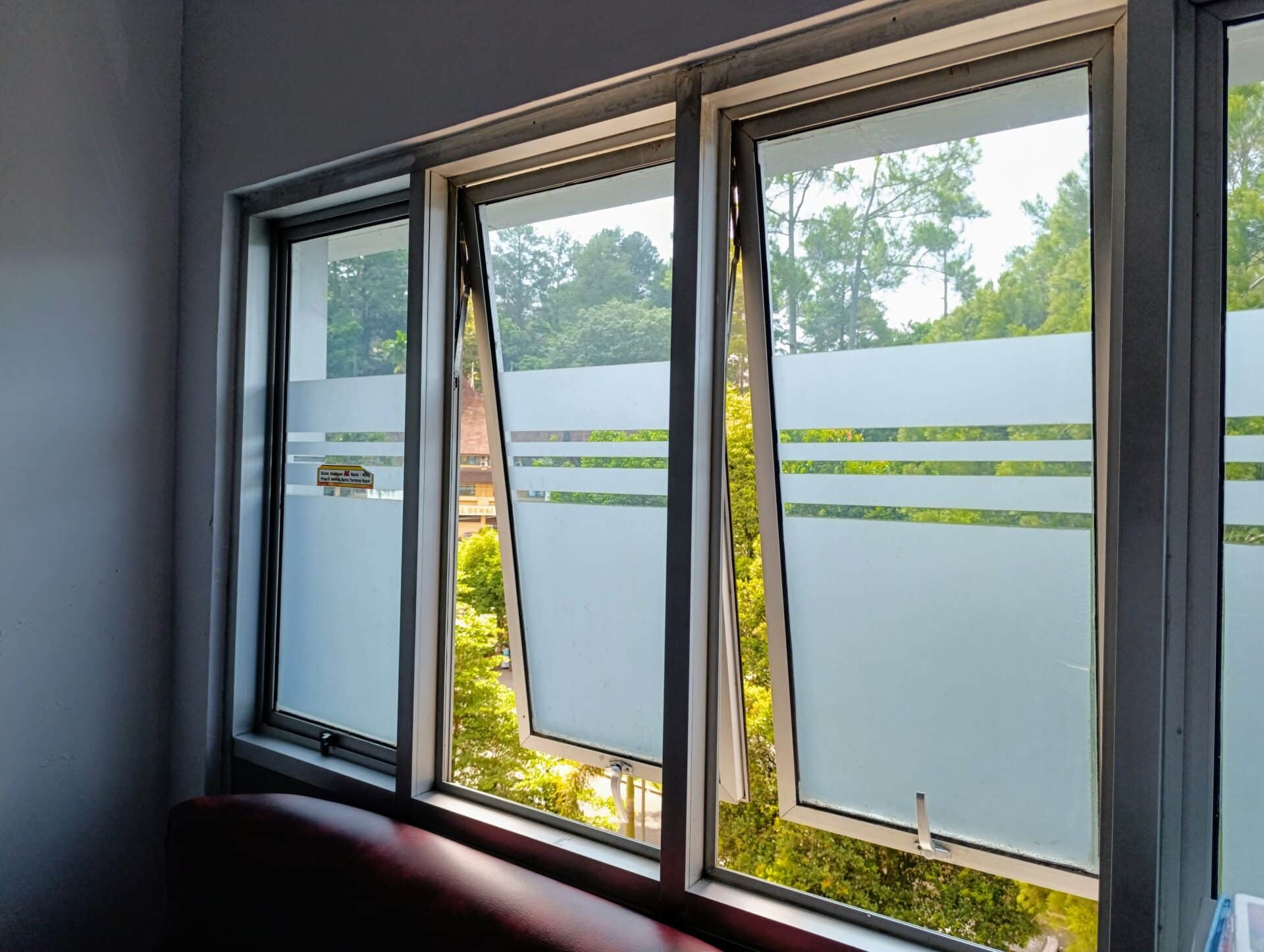
Textured or patterned glass – Glass with a raised or pressed pattern, like ribbed, fluted, or reeded designs, pressed into the pane during manufacturing. Distorts rather than fully blocks the view, while letting in more light than frosted glass.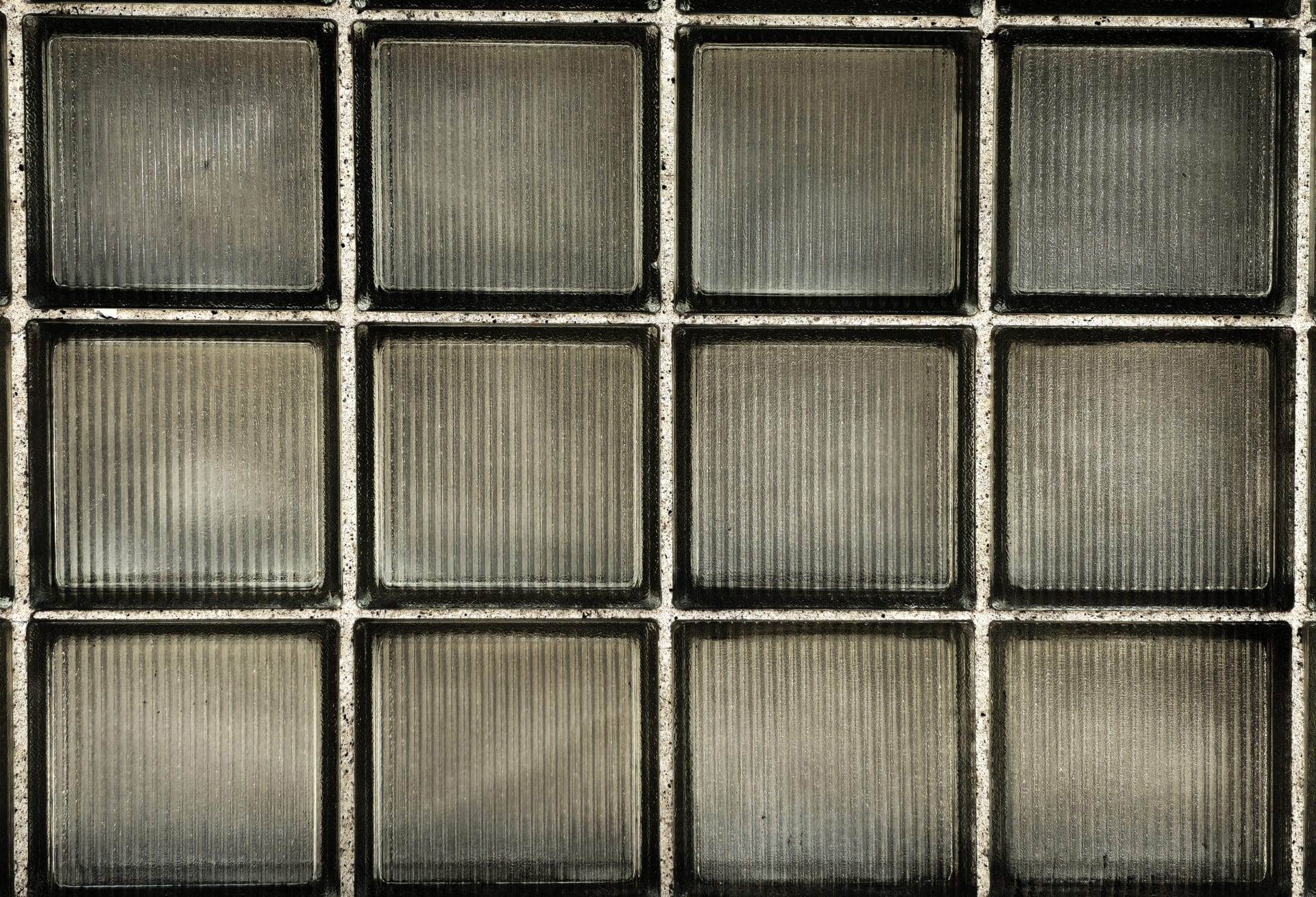
Reflective glass – Glass with a metallic coating that acts as a one-way mirror in bright light. Reflective glass is most commonly used on commercial exterior windows—think high-rise office buildings—but it can be an option for homeowners as well. Privacy is strongest in daylight and weakens after dark once interior lights are on.
Now that we’ve identified some common types of privacy glass, let’s dig into some of the common complaints and how to choose the best glass for your home.
“It Still Shows My Silhouette”
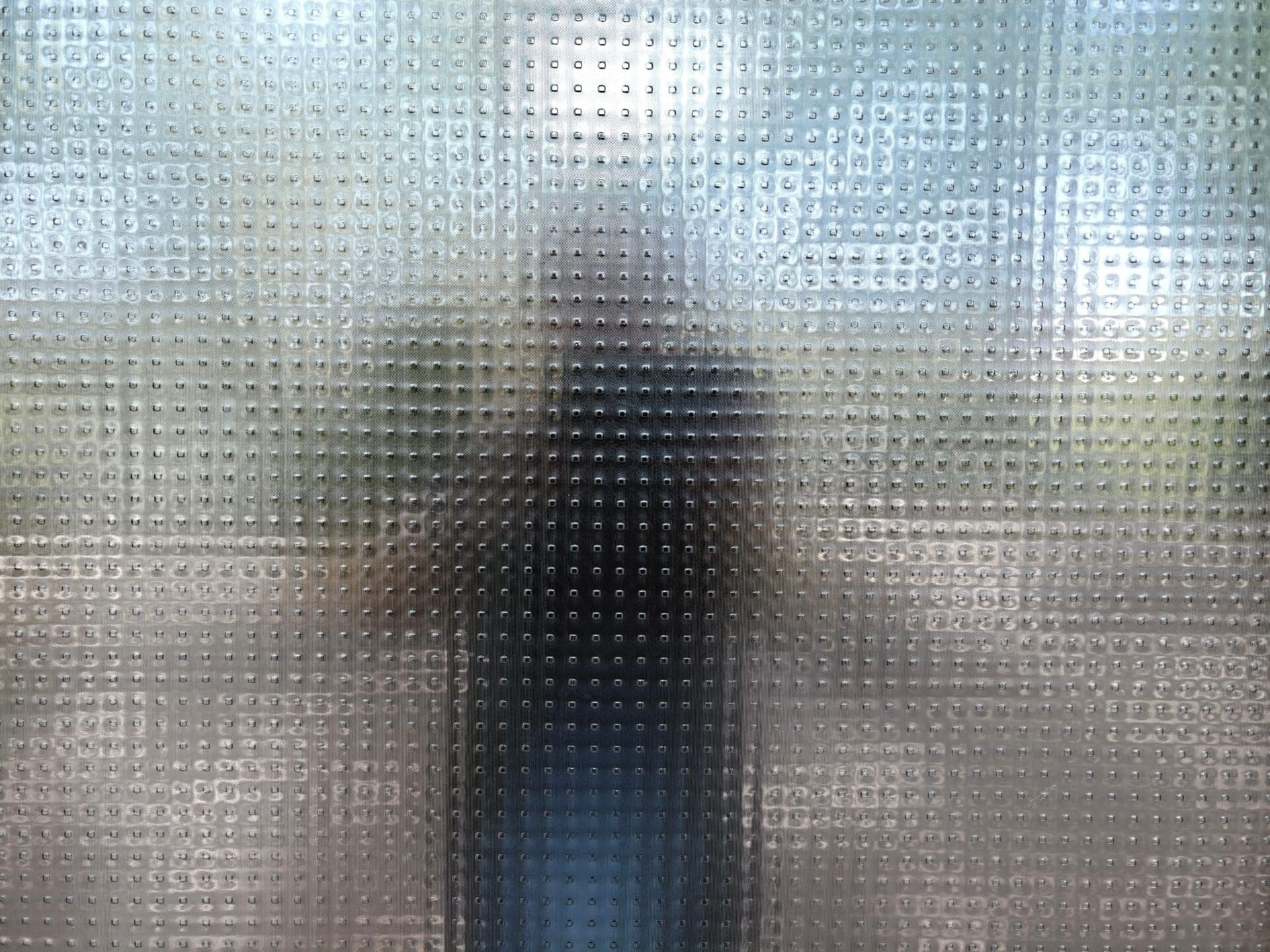
This is one of the most common surprises homeowners run into after installing privacy glass. Textured glass distorts light, but it will still let light through, which will create visible shadows. A ribbed or fluted pattern can blur fine detail while still letting a clear body outline show through, especially if someone is standing close to the glass or backlit by a window or bright vanity light. For this reason, you’ll want to consider function over aesthetics when choosing decorative glass.
If full privacy is the priority (a shared family bathroom, a street-facing window, a shower next to a bedroom), you need glass that fully obscures, like true frosted glass or a denser patterned texture, not just one that looks the most interesting. If you want to soften a view while keeping the space open and bright, a lighter texture is fine, but keep in mind that you won’t have 100 percent privacy.
“It Never Looks Clean”
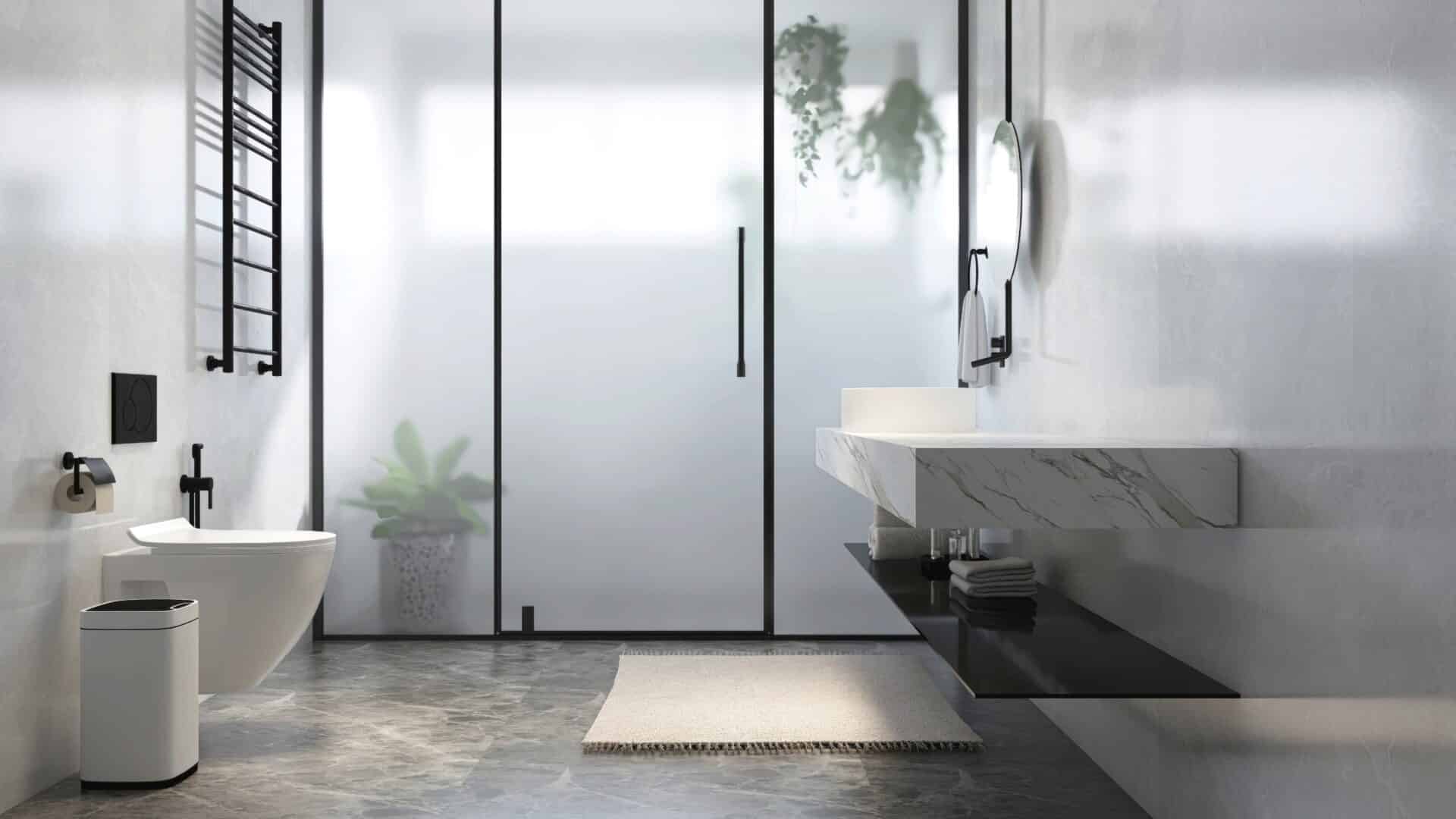
This one is especially common for shower glass along the Front Range, where hard water leaves mineral deposits on glass. The fix isn’t always more scrubbing, but rather understanding that not all frosted glass handles water spots the same way. For example:
- Acid-etched glass goes through a chemical process that seals the surface smooth at a micro level. Water and mineral deposits sit on top rather than soaking in, so it cleans about as easily as clear glass.
- Sandblasted glass creates the same soft, frosted look but leaves a slightly porous surface. Without a protective coating, that texture can hold onto minerals and oils, meaning more frequent, more detailed cleaning to keep it looking fresh.
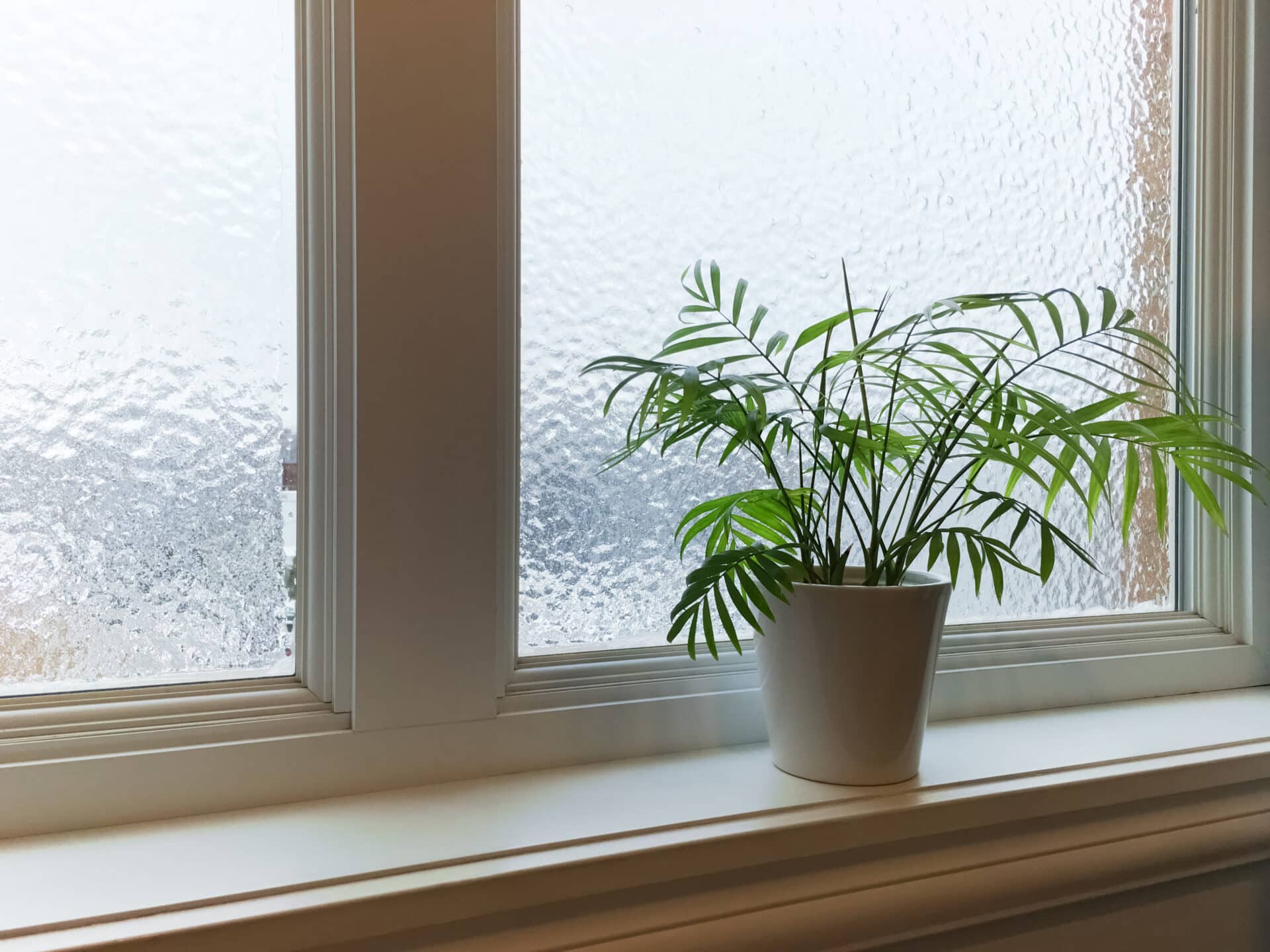
Both are genuinely frosted, permanent, and won’t peel like an applied film, but they age very differently in a hard water environment. If low-maintenance is high on your list, ask how a piece of glass was made before you commit, and ask whether a protective coating is included or optional.
“The Grooves Are Impossible to Keep Clean”
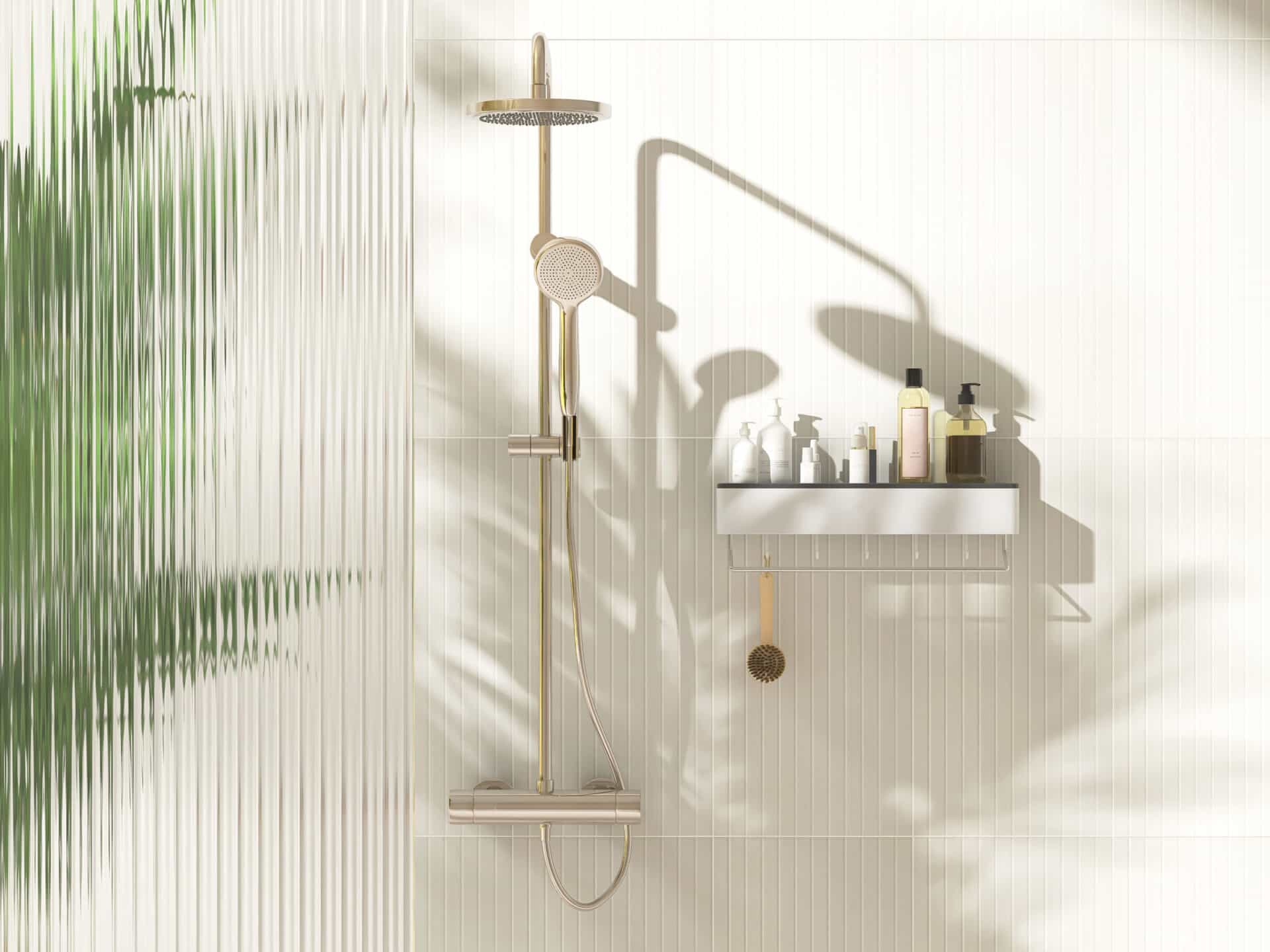
Deeply textured or patterned glass is beautiful in the right space, and it refracts light in a way that adds real character to a room. But the same ridges that scatter light also give soap scum, hard water minerals, and shower gel somewhere to collect. In wet environments, those grooves need more attention than a flat frosted or tinted surface.
That doesn’t mean you can’t have these lovely designs on your shower glass, but it does mean you should plan for it. That means making sure the smooth side is mounted toward the water, monthly deep-cleaning with a soft brush, and not using abrasive pads that can wear down the texture over time.
Structurally, textured glass holds up fine, since the pattern is pressed in during manufacturing, allowing it to keep the strength of standard tempered glass. The maintenance trade-off is really the only thing to weigh.
“It’s Only Private During the Day”
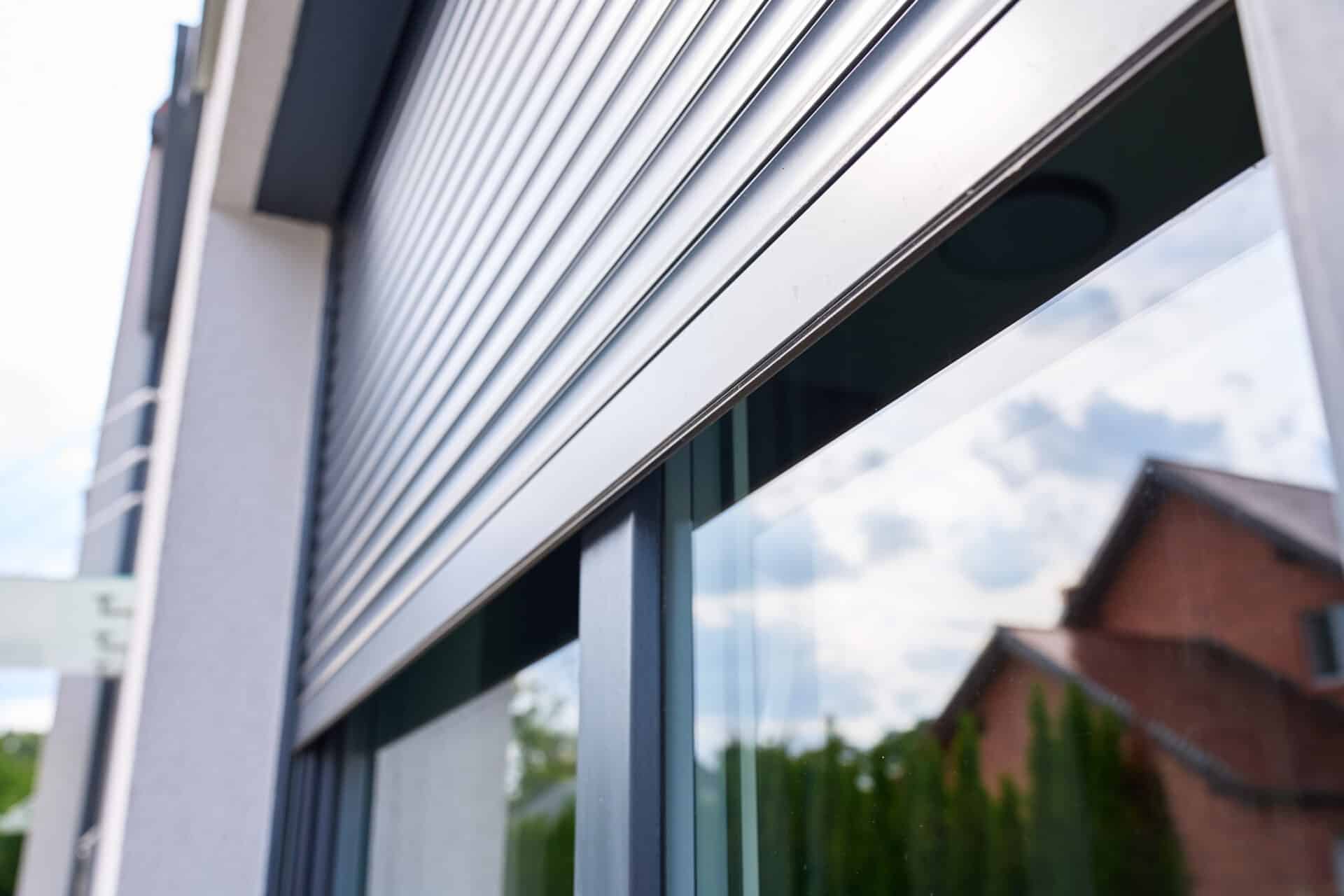
For exterior windows and reflective glass, this is the pain point nobody warns homeowners about until they’ve already installed it. Reflective coatings act like a one-way mirror in daylight, but once the sun goes down and interior lights come on, that effect flips. At night, reflective glass can actually make it easier to see inside, not harder.
If you’re using reflective or tinted glass for street-facing windows, pair it with a secondary layer, like blinds, curtains, or interior film, for after-dark privacy. Tinted glass itself is low-maintenance and holds up well to sun exposure over time without fading, so it’s a solid choice for heat and glare control. Just don’t expect it to solve nighttime privacy on its own.
“I Don’t Know What I’m Actually Getting”
A lot of regrets surrounding privacy glass comes down to homeowners not knowing what questions to ask before the glass is cut and installed. Before you choose a finish, it’s worth asking your fabricator:
- Is this acid-etched or sandblasted, and does that change how I need to clean it?
- Is a protective coating included, or is that an upgrade?
- What cleaning products should I avoid so I don’t void a warranty or damage the finish?
- If this is a patterned or fluted glass, will it actually block visibility the way I need it to, or mostly just soften the view?
A five-minute conversation up front saves months of frustration later, and it’s the difference between glass you love and glass you’re already thinking about replacing.
Custom Fabricated Privacy Glass in Denver
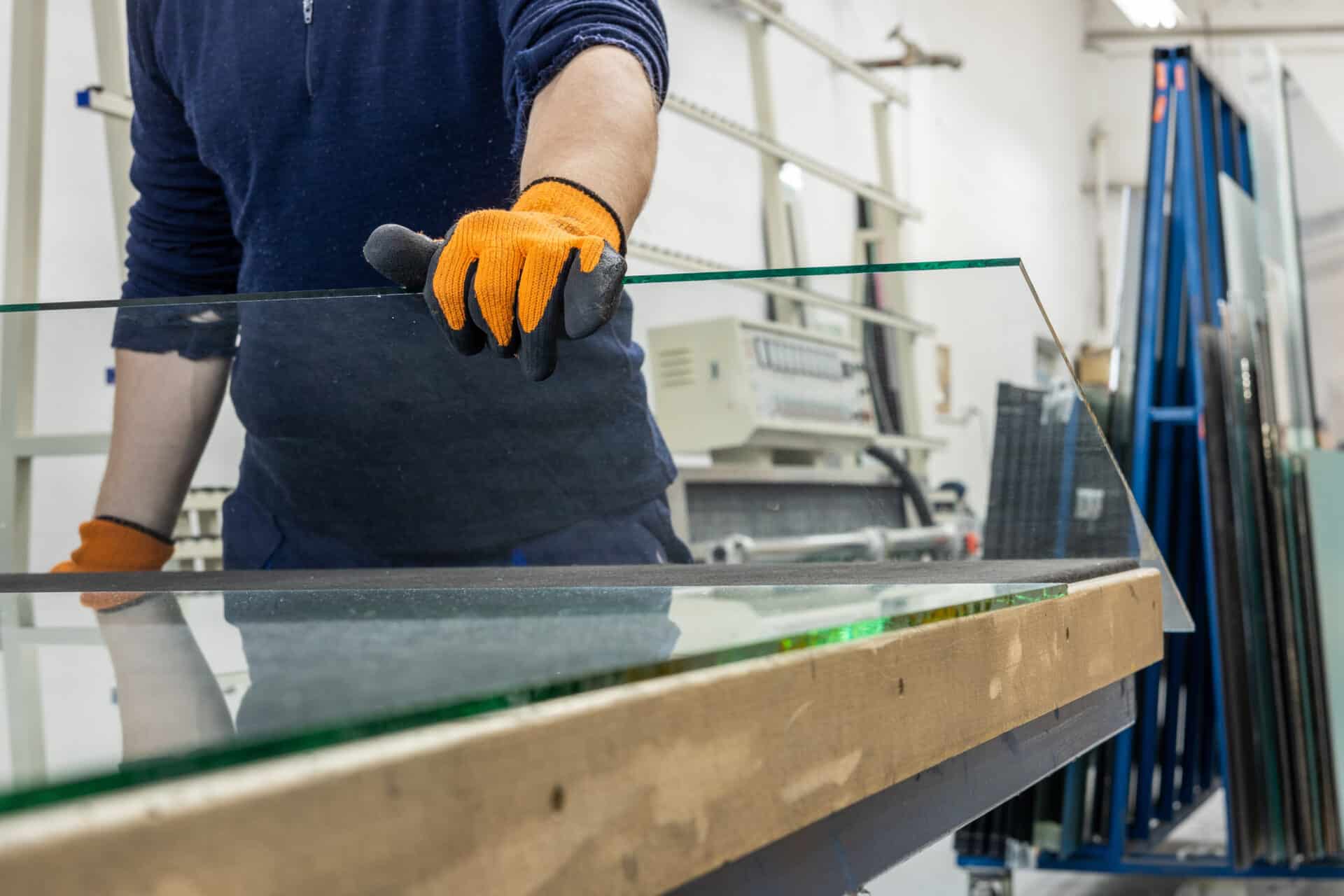
Every bathroom, office, and window has different privacy needs, lighting conditions, and maintenance expectations, and Denver’s climate adds its own factor with hard water and strong sun year-round.
Angelo and Sons works with homeowners across the area to match the right glass finish to how you’ll actually use the space, whether that’s a custom glass shower, an interior partition dividing an open floor plan, or high-performance windows for a commercial build-out. With our wide network of industry connections, we can also fabricate custom glass for any home or commercial project.
Reach out to our team today to see material samples in person and find the finish that fits your needs!